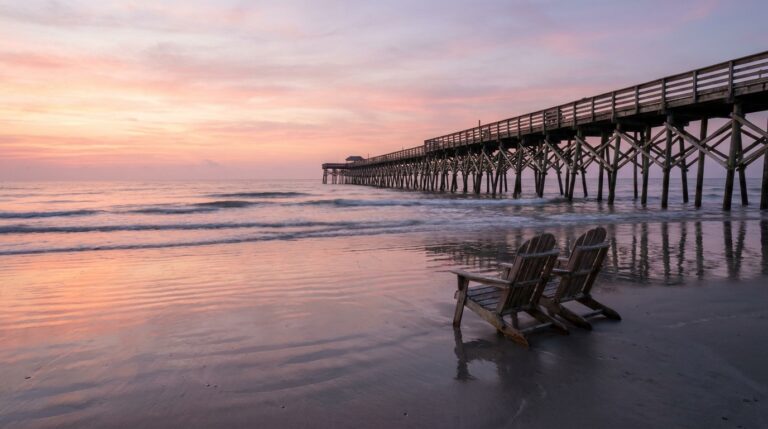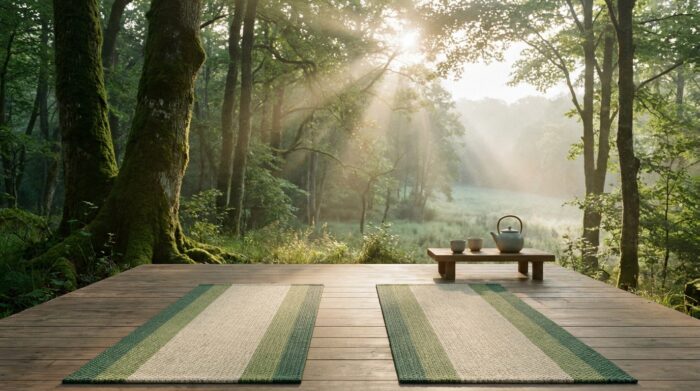
A couples retreat vacation is a trip designed around reconnection rather than sightseeing. Days revolve around rest, movement, good food and time to talk, whether in a spa resort, a yoga center, a remote lodge or a guided program with workshops.
It is not only for couples in difficulty. Many go to celebrate, to recover from a busy year or simply to spend real time together without screens. Here are the main types of retreat, how to choose one and what to expect once you arrive.
What makes a retreat different from a regular vacation
A classic vacation is about the place: beaches, museums, restaurants. A retreat is about the two of you. The setting is calm, the schedule is light and structured, and the activities are chosen to lower stress and open conversation. Meals are often healthy and served on site, which removes daily decisions. Some retreats ask guests to limit phone use, which many couples find is the most valuable part.
Types of couples retreats
Spa and wellness retreats
Massages for two, thermal pools, saunas and healthy cuisine. They suit couples who want deep rest with a touch of luxury. Desert towns like Sedona and Palm Springs, wine regions like Napa Valley and hot spring areas in Colorado or New Mexico are popular in the US.
Yoga and meditation retreats
Daily classes, breathing practice, quiet time and often vegetarian food. Beginners are usually welcome. Costa Rica, Bali, Mexico’s Pacific coast and mountain centers in the US host many programs.
Nature and adventure retreats
Guided hikes, kayaking or horseback riding with comfortable lodging at the end of the day. Shared outdoor challenges create strong memories. Think lodges in Montana, the Pacific Northwest or the Canadian Rockies.
Relationship workshop retreats
Led by therapists or coaches, these programs mix group sessions, exercises for the couple and free time. They help with communication, conflict or a big life transition. Check the facilitators’ qualifications, ask whether private sessions are included, and remember that a retreat does not replace ongoing therapy if you need it.
Do-it-yourself retreats
No program at all: a cabin, a lake house or a quiet inn, with your own plan of walks, cooking together and evenings without screens. It is the most affordable option and works well for a long weekend.
How to choose the right couples retreat
| If you want… | Choose | Ideal length |
|---|---|---|
| Pure rest and pampering | Spa and wellness retreat | 3 to 5 nights |
| Calm and a new routine | Yoga or meditation retreat | 5 to 7 nights |
| Shared challenges outdoors | Nature or adventure retreat | 4 to 7 nights |
| Help with communication | Workshop retreat with professionals | 2 to 4 days |
| Time alone, small budget | DIY cabin retreat | 2 to 4 nights |
A few questions help narrow the choice:
- How structured do you want it? Some retreats have a full timetable, others a single morning session.
- Group or private? Group programs are sociable; private ones give more intimacy.
- What is included? Check meals, treatments, sessions and transfers before comparing prices.
- Is the pace right for both of you? A silent meditation week can be a gift for one partner and a struggle for the other.
What to expect on a typical day
Most retreats follow a gentle rhythm. A morning yoga or stretching class, breakfast, then an activity: a guided walk, a workshop or a spa treatment. Afternoons are often free for rest, reading or a swim. Evenings may bring a shared dinner, a fire or a stargazing session. Expect early nights: the point is to come home rested, not exhausted.
Budget and booking
Costs vary widely. A do-it-yourself cabin weekend costs little more than the rental, while a full-board spa or workshop retreat is priced per person and can include treatments, meals and sessions. Compare what each price covers rather than the headline figure, and ask about cancellation terms, since many programs run on fixed dates with limited places. Booking a few months ahead gives the best choice, especially for weekend dates and popular seasons like fall in wine country or winter in the desert Southwest.
Tips to get the most out of it
- Set an intention together before you leave: rest, reconnect, celebrate or work on something specific.
- Agree on phone rules so neither of you feels policed.
- Do not overbook treatments. Free time is where the conversations happen.
- Plan one ritual to bring home, like a weekly walk or a screen-free dinner.
Retreats and other ways to travel together
A retreat is one of many good formats for two. If you would rather mix rest with beaches, cities or adventure, our guide to the best vacation spots for two compares every style. Retreats also make a meaningful way to mark a milestone, and our guide to marking another year of marriage somewhere new includes calm, restorative ideas alongside bigger journeys.
FAQ
Is a couples retreat only for couples with problems?
No. Many couples book a retreat to rest, celebrate or prepare for a big change like a new baby or a move. Workshop retreats are one option among many.
How long should a couples retreat be?
A long weekend is enough to rest. Five to seven nights gives time to change habits and truly slow down.
Do we need yoga or fitness experience?
Usually not. Most wellness retreats welcome beginners and adapt classes. Check the program if one of you has an injury or limited mobility.
Can we create our own retreat?
Yes. Rent a quiet cabin, plan simple meals, set phone rules and book one massage or guided hike nearby. It costs far less and can be just as restorative.