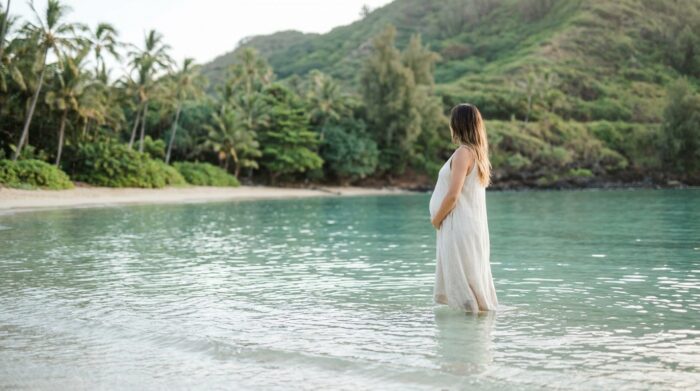
A Hawaii babymoon gives you warm water, soft trade winds and the feeling of being far away, without a passport or a foreign health system. From the West Coast, nonstop flights take roughly five to six hours, and once you land, the islands are made for slow days: beach mornings, long lunches and sunsets from a lanai.
The main questions are which island suits you, when to go and which classic Hawaii activities to skip while pregnant. Here is what to know, and as always, get your provider’s green light before booking.
Maui babymoon or another island?
Each island has a different rhythm. For a babymoon, the best one is the island that keeps driving short and medical care close.
| Island | Why couples love it | Keep in mind |
|---|---|---|
| Maui | Calm beaches on the south and west shores, resort areas, great food, whale watching in season | Some star sights involve long, winding drives or high altitude |
| Oahu | The most flights, the largest choice of hospitals, Waikiki plus quieter beaches | Busier and more urban |
| Kauai | Lush, green, quiet, ideal for doing very little | Wetter, with more rain on the north shore in winter |
| Hawaii Island (Big Island) | Varied landscapes, from beaches to volcanoes | Long distances between sights; volcanic gas near active areas |
A babymoon in Maui is the most popular choice, and it fits well: the south and west coasts have sheltered beaches, flat oceanfront paths and plenty of restaurants close to the hotels. Oahu is the most practical if you want the widest choice of flights and medical facilities. Most couples are happiest staying on one island rather than hopping between several.
Flight time and getting there comfortably
The flight is the longest part of the trip, especially from the East Coast or the Midwest, where it often involves a connection. Most commercial airlines allow pregnant passengers to fly until 36 weeks, but check your carrier’s policy for your dates.
On board, the CDC recommends that pregnant travelers stay hydrated, stretch often, walk the aisle and wear graduated compression stockings to reduce the risk of blood clots. An aisle seat makes all of that easier. Consider breaking a long journey with a night on the West Coast.
Gentle Hawaii babymoon activities
- Beach days on calm shores: choose protected bays and swim only where conditions are gentle. Ask lifeguards about currents.
- Surface snorkeling: a great way to see turtles and reef fish. Skip scuba diving, which the CDC says is best avoided during pregnancy.
- Whale watching: humpback whales visit Hawaiian waters in winter and early spring. Choose a larger, stable boat, and remember that seasickness can feel worse during pregnancy.
- Short scenic drives and lookouts: plan short segments with stops rather than a full day in the car.
- Prenatal massage: many resort spas offer it. Ask for a therapist trained in prenatal care and skip hot tubs and saunas.
- Botanical gardens and easy walks: flat paths, shade and some of the most beautiful plants you will ever see.
- Local food: poke and other raw fish dishes are a Hawaii staple, so order cooked versions and check with your provider about seafood choices.
Precautions specific to Hawaii
High altitude on Haleakala
Sunrise at the summit of Haleakala, on Maui, is famous, but the summit area rises above 10,000 feet, and the park notes that conditions before dawn are regularly wet, windy and below freezing. Sunrise visits also require a reservation, which can be made up to 60 days ahead. The CDC advises a slow ascent with time to acclimatize for high-altitude destinations, so a sunset visit from lower viewpoints or skipping the summit altogether is worth discussing with your provider.
Volcanic gas on the Big Island
Hawaii Volcanoes National Park warns that volcanic gases are hazardous, especially for people with heart or respiratory problems, infants, children and pregnant women. If you visit, check the park’s air quality alerts before you go and stay away from areas with high gas levels.
Sun, heat and ocean conditions
The CDC notes that a raised body temperature in pregnancy has been linked to birth defects. Plan outdoor time for the morning and late afternoon, wear a hat and drink plenty of water. In the ocean, strong currents and shorebreak can surprise even good swimmers: swim near lifeguards and stay out when the surf is up.
Distance from care on remote coasts
Remote areas, like the far end of the Road to Hana on Maui or Kauai’s north shore, can be a long drive from a hospital. Base yourselves near a town and keep road trips short.
When to go on a Hawaii babymoon
Hawaii is warm all year. Summer tends to be drier and calmer on many beaches, while winter brings more rain, especially on windward coasts, and big surf on north-facing shores, along with whale season. Spring and fall are often the sweet spot: pleasant weather and fewer crowds outside school holidays.
The other calendar is your pregnancy. The CDC notes that the risk of obstetric complications is greatest in the first and third trimesters, which is why many couples plan a long trip like this one in the second trimester.
Hawaii compared with other US options
Hawaii is the most exotic US babymoon, but also the longest trip for most couples. If the flight feels like too much, our guide to the best babymoon destinations usa covers California, Florida, the Southeast and the mountains with shorter journeys.
Hawaii also has a habit of drawing couples back. Many return for a first or tenth anniversary, and our guide to trips that celebrate a marriage milestone includes more island and beach ideas for that next visit.
Hawaii babymoon FAQ
Is Maui good for a babymoon?
Yes. Its south and west shores offer calm beaches, resorts and restaurants close together, so you can keep driving and walking to a minimum.
How long should a Hawaii babymoon be?
Because of the flight, five to seven nights makes the trip worthwhile without getting tiring. Staying on one island keeps it relaxed.
Can I go to the top of Haleakala while pregnant?
The summit area rises above 10,000 feet and is often cold before dawn. Ask your provider first; many couples choose lower viewpoints instead.
Is it safe to snorkel in Hawaii while pregnant?
Surface snorkeling in calm water is a gentle option for many pregnant travelers. Scuba diving is best avoided, according to the CDC.