Unique honeymoon destinations are for couples who look at the usual shortlist and feel a little underwhelmed. There is nothing wrong with Cancún or Santorini, but if you want a trip that none of your friends has taken, with landscapes you have never seen in a feed, the world offers plenty of alternatives.
Below are seven underrated honeymoon destinations, what makes each one special, when to go and what to know before booking. Some are luxurious and exclusive, others are wild and adventurous, and a couple are surprisingly easy to reach from the US.
What makes a honeymoon destination “unique”?
Uncommon does not have to mean difficult. The places on this list share a few traits:
- Distinctive landscapes you will not find at a typical beach resort, from red desert dunes to volcanic crater lakes.
- Fewer honeymoon crowds, so you are not sharing every viewpoint with other newlyweds.
- A strong sense of place: local food, culture and scenery rather than a generic resort experience.
The trade-off is usually more planning: longer flights, fewer direct routes or a narrower travel season. The sections below flag those points for each destination.
7 unique honeymoon destinations worth the extra effort
1. The Seychelles
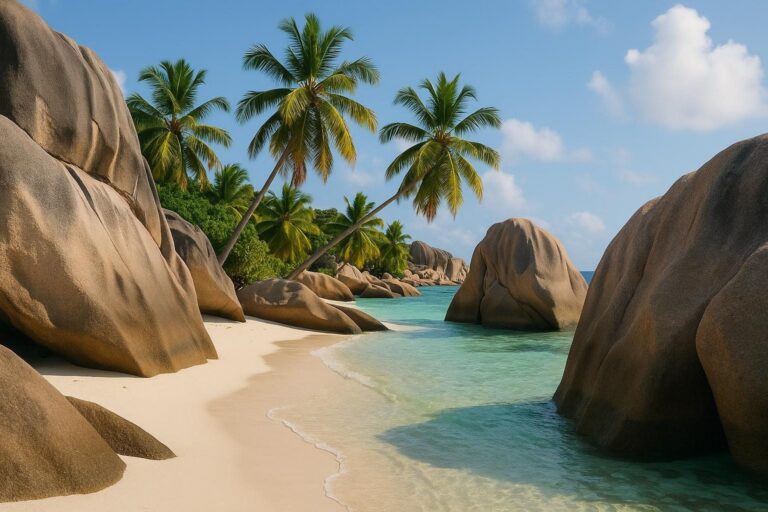
The Seychelles is the most luxurious pick on this list and one of the most exclusive honeymoon destinations in the Indian Ocean. Its granite boulders and powder-white beaches look unlike anywhere else. On La Digue, Anse Source d’Argent is among the most photographed beaches in the world, and it is quietest early in the morning or late in the afternoon.
On Praslin, the Vallée de Mai is one of the country’s two UNESCO World Heritage Sites. It protects forests of coco de mer, the palm that produces the largest seed in the world, alongside birds and plants found nowhere else.
When to go: April-May and October-November, when conditions are typically drier and less windy, with the best snorkeling and diving visibility.
Good to know: US citizens do not need a visa, but every traveler must get an online Travel Authorization before departure. It costs from 10 euros for standard processing and can be requested up to 30 days before arrival. A visitor’s permit is issued on arrival.
2. The Azores, Portugal
This Atlantic archipelago feels like a secret, yet it is one of the closest European destinations to the East Coast. Direct flights from the East Coast reach Ponta Delgada on São Miguel in about five hours.
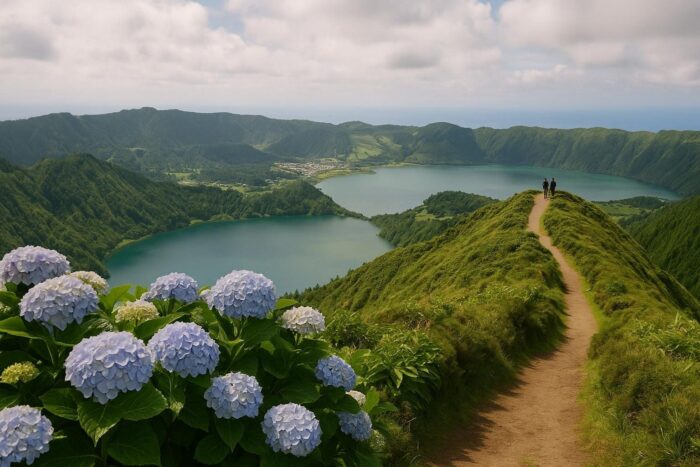
Expect green volcanic landscapes, crater lakes, hiking trails along the cliffs, whale watching and thermal pools. It suits couples who prefer hiking boots to high heels, with a slower, rural pace than mainland Europe.
Good to know: weather changes quickly, even in summer. Plan flexible days and pack a rain jacket.
3. Namibia
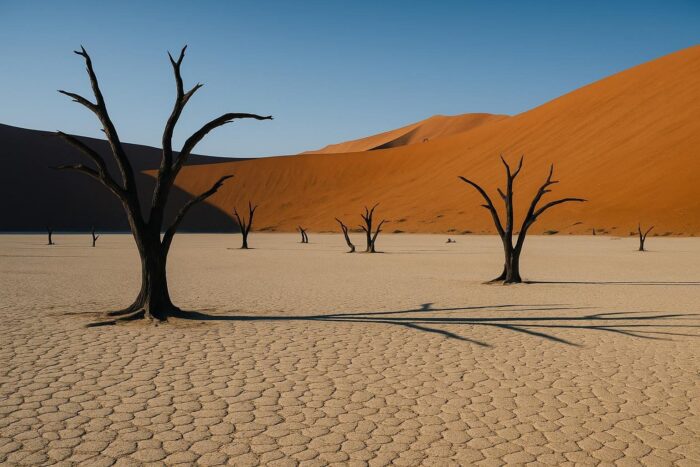
For a honeymoon that feels genuinely different, Namibia’s desert is hard to beat. At Sossusvlei, towering red dunes rise above white clay pans, and nearby Deadvlei is famous for its dead camel thorn trees against orange sand. Sunrise on Dune 45 is a classic moment.
When to go: the cool, dry months from May to September bring the clearest skies and comfortable daytime temperatures, with cold nights.
Good to know: this is also high season and lodges near the dunes are limited, so booking around six months ahead is recommended.
4. Slovenia
Slovenia packs Alpine lakes, mountains and a small stretch of Adriatic coast into a country you can cross in a few hours. The highlight for couples is Lake Bled. A traditional wooden pletna boat, a design developed by local craftsmen as far back as the 1500s, rows visitors to the island in the middle of the lake. There, you can ring the church’s “wishing bell,” cast in 1534, which legend says grants the wish of whoever rings it.
Pair Bled with a few days in Ljubljana, the capital, for cafés along the river and an easy, walkable city break.
5. Chilean Patagonia
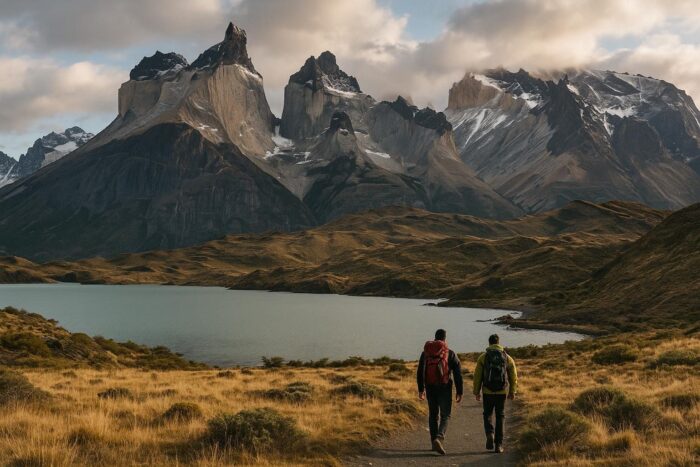
For adventurous couples, Torres del Paine National Park delivers granite towers, turquoise lakes and glaciers. The famous W Trek can be done over several days, with lodges or refugios along the way, or you can base yourselves in a lodge and hike day routes.
When to go: the southern summer, from November to mid-March, offers long daylight hours and full access to trails. November is quieter and often cheaper; crowds drop again at the end of March.
Good to know: in late March and April, rangers may require a certified guide or close routes because of weather.
6. Kenya’s Masai Mara plus the coast
A safari honeymoon is still rare enough to feel special. In the Masai Mara, the Great Migration’s river crossings can be seen from mid-July to mid-October, with the most frequent crossings typically from late July through September. Nothing is guaranteed, because the herds follow rainfall rather than the calendar.
Many couples end with a few beach days on the Indian Ocean, which balances early game drives with pure rest.
7. Portugal’s Douro Valley
Terraced vineyards rising above a winding river make the Douro one of Europe’s most romantic wine regions, and it sees far fewer honeymooners than Tuscany. The grape harvest usually runs from early September into early or mid-October, with peak activity in the last two weeks of September. Combine it with Porto for an easy two-part trip.
Unique honeymoon destinations compared
| Destination | Style | Best time | Main challenge |
|---|---|---|---|
| Seychelles | Luxury beach, nature | April-May, October-November | Long journey, high prices |
| Azores | Volcanic hiking, slow travel | Summer for the most stable weather | Changeable weather |
| Namibia | Desert adventure | May to September | Limited lodges, long drives |
| Slovenia | Lakes, mountains, small cities | Late spring to early fall | Bled is busy in peak summer |
| Chilean Patagonia | Hiking, wilderness | November to mid-March | Wind and fast weather changes |
| Masai Mara | Safari | Mid-July to mid-October for crossings | Cost, early starts |
| Douro Valley | Wine and food | September to early October | Harvest dates vary each year |
Luxury versus adventure: which unique honeymoon suits you?
Luxury honeymoon destinations such as the Seychelles offer privacy, space and pampering, but at a price. Adventure-led options such as Patagonia and Namibia trade some comfort for experiences you will talk about for years. If you cannot decide, combine both: a demanding first half followed by a few days somewhere soft. Couples often end a safari with the coast, or a Patagonia trek with a spa lodge.
If none of these feels quite right, our complete list of romantic trips ranked by style, season and budget covers the classic choices as well, so you can compare the familiar with the offbeat.
How to plan an off-the-beaten-path honeymoon
- Check entry rules early. Some countries require an online authorization before you fly. For Europe, the ETIAS authorization is not yet operating, but the biometric Entry/Exit System has been fully running since April 2026.
- Respect the seasons. Many unique destinations have narrow windows. Traveling outside them can mean closed lodges or rough conditions.
- Book scarce lodging first. In places like Namibia or Patagonia, the best-located lodges sell out long before flights do.
- Consider a specialist agent. For multi-stop trips with safaris, internal flights or remote lodges, local expertise saves time and avoids logistical mistakes.
- Leave buffer days. Remote routes and island ferries can be disrupted. A spare day protects your international flight home.
Unique honeymoon destinations FAQ
What is the most underrated honeymoon destination?
The Azores are a strong candidate for US couples: dramatic volcanic scenery, few honeymoon crowds and a direct flight of about five hours from Boston.
Is the Seychelles a good honeymoon destination?
Yes, especially for couples who want beaches, nature and privacy. It is expensive and far from the US, and every visitor needs a Travel Authorization before flying.
What is a unique honeymoon destination in Europe?
Slovenia, the Azores and Portugal’s Douro Valley all offer romance and scenery with far fewer honeymooners than Italy or Greece.
When is the best time for a Patagonia honeymoon?
From November to mid-March, during the southern summer, when trails are open and days are long.